
The new museum building
The first phase of the renovation process consists of the complete restoration of the museum building. Alongside this the necessary modifications for its functioning as a contemporary museum will be introduced.
The most striking element is without doubt the new reception pavilion which will be situated between the Director’s building and the Colonial palace.
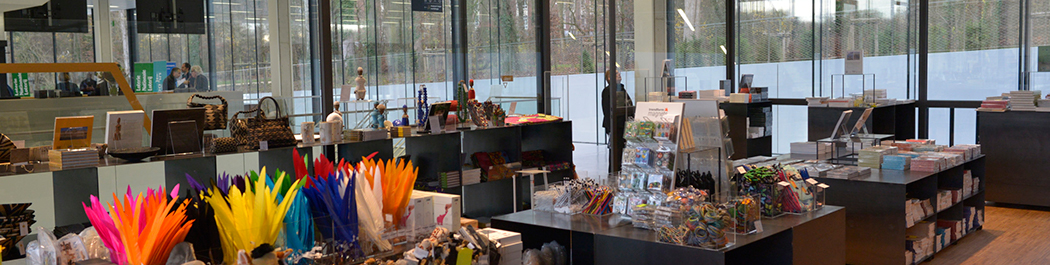
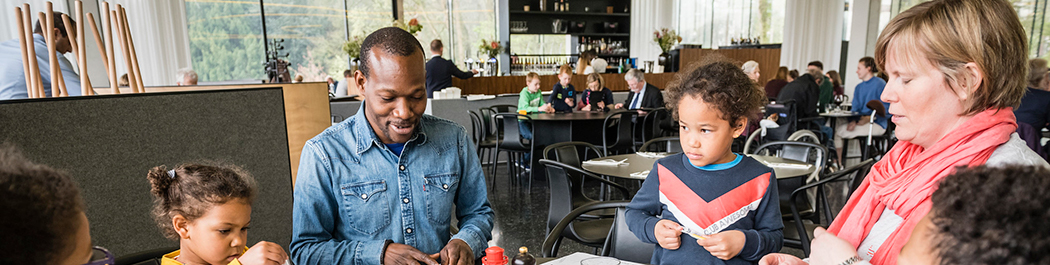
Ticket sales, the shop, restaurant, picnic area for children and the cloakrooms, will be transferred here from the main museum building. This optimises the role of the reception area and is a means of enlarging and improving the new permanent exhibition space in the museum building.
An underground gallery will take you from the reception pavilion to the old museum building. This is where new temporary exhibition spaces are housed. Visitors enter the museum building via the current cellar floor. The first part of the new permanent exhibition will be displayed on this underground level of the museum building. The remainder of the exhibition will be situated on the ground floor.
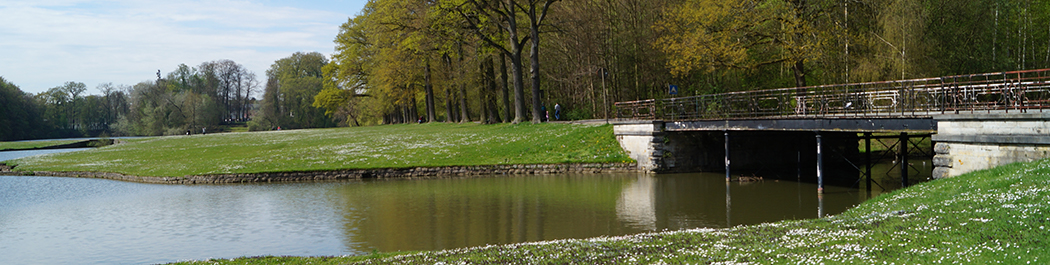
The current patio garden will be given a contemporary feel. Part of the inner courtyard will be excavated and this extended inner courtyard, which can also be used as an open air theatre, will brighten up the underground level.
The museum building is being renovated and restored with respect for the original, listed architectural concept. It regains the light and transparency which the architect Girault had had in mind when the museum was under construction. The building’s original perspectives and views are opened out.
Some preliminary investigations
In preparation for the renovation, a lot of preliminary investigations have been carried out. There has been research into the gilded and plaster statues, the marble and the parquet, colour research, research into the foundations and exploratory drilling in the façade.
In the exhibition halls the most notable research is the preliminary investigations into the murals in room 10 (Agricultural economics) where a fragment of an old mural has been exposed. This is extremely painstaking work. Centimetre by centimetre, the upper layer is removed with a specially formulated product. It is vital that the original, older layers of paint do not get damaged in the process. In 1957 following the sanding of the walls in preparation for repainting, the murals were seriously damaged in some places. The walls of this room were originally intended for a decorative frieze made up of a repetitive design, an entire fragment of this has now been uncovered. Part of the original pattern is accurately reconstructed


The museum is closed on Mondays.