
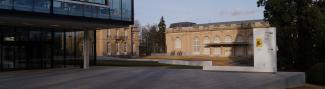
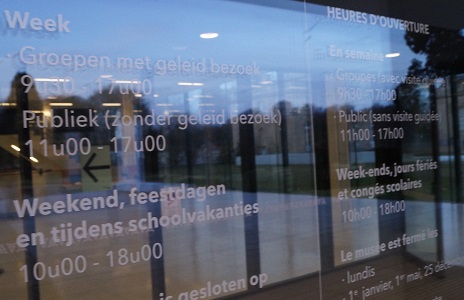
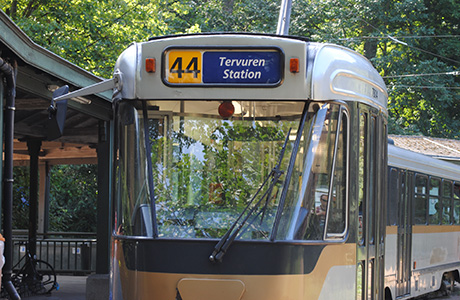
Plan your visit
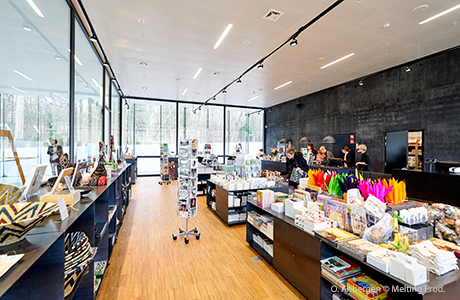
AfricaShop
Restaurant Bistro Tembo
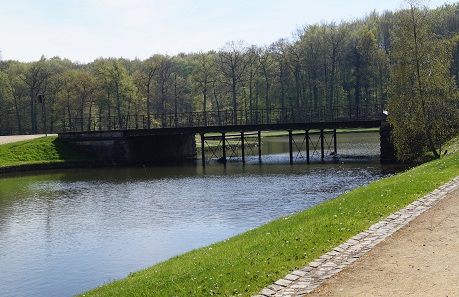
The Park of Tervuren
Download the Regulations for visitors and Charter Federal Museums.
The internal security service (authorisation: IBZ 18.1268.08 - KBO 0306.562.560))
The internal security service of the Royal Museum for Central Africa (BCE 0306.562.560) is insured against personal injury or material damage resulting from the exercise of its private security activities.
The injured parties can contact Ethias SA, rue des croisiers 24, 4000 LIEGE directly. The policy number is 45.356.166