Summary
"120 Years of Belgian–Ethiopian Friendship"
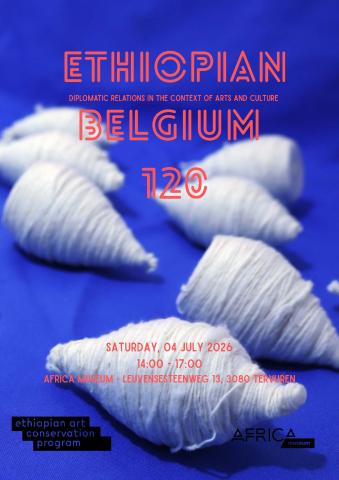
This year, we commemorate 120 years of diplomatic relations between Belgium and Ethiopia, a relationship that extends far beyond diplomatic protocol and treaties. It is the story of two lions whose paths have continued to cross throughout history.
The story began in 1906 with a trade agreement between Emperor Menelik II and King Leopold II. Less than twenty years later, the young Regent Ras Tafari, later Emperor Haile Selassie, visited Belgium, where he received a warm welcome wherever he went. This friendship endured through war and liberation: in 1941, Belgian-Congolese troops contributed to the liberation of Ethiopia, and decades later, Haile Selassie and King Baudouin stood together on the balcony of the Imperial Palace in Addis Ababa, reaffirming a bond that had stood the test of time.
Today, we continue this shared history—not as a closed chapter, but as a living relationship. Through the Ethiopia 120 project, we bring these 120 years to life by fostering dialogue between heritage, art, and memory, while creating space for new voices, such as that of artist Frehiwet Ayalew Hadgu, to become part of this ongoing story.
The exhibition brings together historical photographs and Ethiopian cultural objects to reflect on shared histories, cultural memory and future collaboration. It builds on a wider programme (2025 – 2026) of research, summer schools, workshops and exchanges with partners including Bahir Dar University, Addis Ababa University, UGent, UAntwerpen, the Ethiopian Art Conservation Program and African heritage professionals.
By presenting Ethiopian collections in dialogue with academic research, source communities, diaspora groups and artistic voices, Ethiopia–Belgium 120 creates a platform for knowledge exchange, inclusive heritage practices and long-term partnerships between Ethiopia and Belgium.
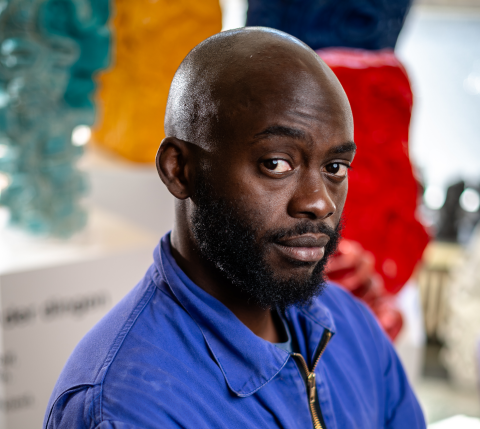
ARTIST IN RESIDENCE: Tewodros Kifle Shewamoltot
Growing up, wisdom came from our elders. Today, young people face a different, silent burden: the relentless pressure of the digital world. Social media promises connection but often breeds deep isolation, leaving a generation "weeping while they dance." In Ethiopia, where digital literacy is still growing, the devastating power of weaponized words online has already fueled real-world division and tragic loss.
Africa's struggle has shifted from historical colonialism to "AI colonialism." Global powers harvest African and other nations data and surveillance details under the guise of modernization, only to sell the technology back to the continent. It is a systemic shift that threatens local sovereignty and deepens dependency.
These artworks weave together traditional materials and digital realities to expose the hidden costs of our connected lives. Cotton threads, rooted in the soulful traditions of Ethiopian textile making, echo the biblical lament of a life cut from the loom—their tangled knots representing young lives cut short by data monopolies. Passing through them is the weaving shuttle, a metaphor for the blistering speed of technology and how quickly time slips away while we sit idle on our devices. Finally, glowing RGB pixels overlay faint fingerprint patterns, a stark reminder of our digital duality: the very touch we use to connect is the biometric trail harvested for surveillance.
This artwork is an invitation to break our passive digital trance. Placed within this collaborative exhibition, it creates a rare space for free, unmonitored exchange. It is an act of radical hope—a call for a future where technology serves genuine human connection rather than corporate monopolies.
https://youtu.be/smiW3T1p2Yo?is=oh-hmClb6G8RENRG
OBJECTS
- Schild verbergen/Bouclier en peau/Buckler / ጋሻ. EO.1999.2. Site of collection: Ethiopia. Date of acquisition: 19 November 1999.
In ancient Ethiopia, a circular shield, usually made of buffalo or rhinoceros skin, was worn on the hand to protect weapons (especially spears and swords). Culturally, it is a symbol of bravery, endurance, and honour. Today, it is still used as a decoration in traditional performances (such as Shellela, Qererto, etc.).
በጥንት ዘመን በጦር መሣሪያ (በተለይ ጦርና ሰይፍ) ሊሰነዘሩ የሚችሉ ጥቃቶችን ለመከላከል በእጅ የሚያዝ፣ አብዛኛውን ጊዜ ከጎሽ ወይም ከአውራሪስ ቆዳ የሚሠራ ክብ መከላከያ ነው። ይህ ባህላዊ መሳሪያ የጀግንነት፣ የጽናት እና የክብር ምልክት ነው። ዛሬም በባሕላዊ ክንዋኔዎች (ለምሳሌ በሸለላ፣ ቀረርቶ፣ ለቅሶ፣ ብሔራዊ በዓላት) ሲካሄዱ ጥቅም ላይ ይውላል። - Aardewerk/Poterie/Pot/እንስራ EO. 1996.3.103. Site of collection: Ethiopia. Date of acquisition: 03 June 1996.
It is an ancient pot made from clay that is kneaded, shaped, and fired. For centuries, it has played an important role in traditional Ethiopian households, where it is used to fetch water and to store and transport traditional beverages. It is a symbol of creativity, craftsmanship, and motherhood, reflecting the cultural values and heritage of Ethiopian society.
ከሸክላ አፈር ተቦክቶ፣ ተጠፍጥፎ እና በእሳት ተጠብሶ የሚሠራ፣ በኢትዮጵያ ባሕላዊ የመኖርያ ቤቶች ውስጥ ለዘመናት ውሃ ለመቅዳት እና ባህላዊ መጠጦችን ለማስቀመጥ እና ለማጓጓዝ እጅግ ከፍተኛ አገልግሎት ሲሰጥ የኖረና አሁንም ድረስ በስፋት ጥቅም ላይ የሚዉል ጥንታዊ የሸክላ ዕቃ ነው። ይህ እቃ የትውልድ ቅብብሎሽን የሚያመለክት ሲሆን እና የእናቶችም የፈጠራ ችሎታ ማሳያ ምልክት ነው። - Muziekinstrument/Instrument de musique/ Music instrument/ / የሙዚቃ መሳሪያ. MO.1996.3.179.Site of collection: Ethiopian. Date of acquisition: 03 June 1996.
This musical instrument, known as Masinko, is a prominent single-stringed instrument in Ethiopian folk music made of wood, skin, and long and coarser animal hair. It is played on a string and has been a symbol of art for centuries, expressing the joy, sorrow, heroism, and history of the people.
በኢትዮጵያ የሙዚቃ ታሪክ ውስጥ እጅግ ጎልቶ የሚታይ ከእንጨት፣ ክጭራ እና ከቆዳ የሚሰራ ባለ አንድ ክር የባሕል የሙዚቃ መሣሪያ ነው። ማሲንቆ በደጋን እየተገዘገዘ ድምፅ የሚሰጥ ሲሆን፣ ለዘመናት የሕዝቡን ደስታ፣ ሐዘን፣ ጀግንነትና ታሪክ ሲገልጽ የኖረ የጥበብ ምልክት ነው። - Kalebaspot/Pot en calebasse/Calabash pot/ቆሪ/. EO.1996.12.11. Site of collection: Ethiopia. Date of acquisition 03 June 1996.
In rural Ethiopia (especially among pastoralist communities), it is a very valuable and important cultural item used to hold, store, and churn milk. In addition, calabash pot symbolizes motherhood and the spiritual role of women to nourish the community.
በኢትዮጵያ ገጠር (በተለይም በአርብቶ አደሩ ማኅበረሰብ ዘንድ) ወተት ለመያዝ፣ ለማስቀመጥ እና ለመናጥ የሚያገለግል እጅግ ውድ እና አስፈላጊ የባሕል ዕቃ ነው። ቆሪ የእናትነትን እና የሴቶችን ማህበረሰብን የመንክባከብ ባህላዊ ኃላፊነት ያመለክታል። - Hoofdsteun/ Appui-tête/ Wooden Headrest/በርኩማ/. EO.1973.65.1. Site of collection: Ethiopia. Date of acquisition: 20 December 1973.
This wooden pillow is an ancient and traditional material that has been used for centuries by pastoralist communities in Ethiopia, especially in the south, Oromia, and Somali regions.
ይህ የእንጨት በርኩማ በኢትዮጵያ በተለይም በደቡብ፣ በኦሮሚያ እና በሶማሌ ክልል አርብቶ አደር ማኅበረሰቦች ዘንድ ለብዙ ዘመናት ሲያገለግል የኖረ ጥንታዊና ባሕላዊ ቁስ ነው። - Lepel/Cuillère/spoon/ማንኪያ/. EO.1996.31.29 Site of collection: Debub Omo Zone. Date of acquisition 03 December 1996.
The wooden spoon is among the essentials traditional Ethiopian kitchen utensils and is still widely used today.
የእንጨት ማንኪያ ከጥንታዊ የኢትዮጵያ የወጥ ቤት ዕቃዎች መካከል አንዱ ነው። በተጨማሪም ዛሬ ድረስ በተለይም በገጠራማው የሀገሪቱ ክፍል ጥቅም ላይ ይውላል። - Table à thé /Mesobe Werq/የመሶበ ወርቅ. EO.1984.2.1. Site of collection: Ethiopia. Date of acquisition: 11 January 1984.
It is a decorated food table or serving tray made of basketry by women and is distinctive to Ethiopia. Beyond its practical function, it carries profound religious and cultural significance, reflecting Ethiopia’s rich artistic traditions, social values, and communal way of life. As an important element of traditional ceremonies and daily practices, it serves as a symbolic expression of cultural identity and heritage.
በኢትዮጵያ እጅግ ከፍተኛና ጥልቅ የሆነ ሃይማኖታዊና ባሕላዊ ትርጉም ያለው ከአክርማ እና ከስንደዶ በሴቶች የሚሰራ የምግብ ማቅረቢያ/መመገቢያ ነው። - Historische foto's /Photos historiques/Historic photo/ታሪካዊ ፎቶ HP.2009.3.566. De Belgische Koloniale troepen trekken Saio/Entrée des troupes Coloniales Belges à Saïo/ The Belgian colonial troops in Saio. 6 July 1941.
This photograph was taken on 6 July 1941 in Saio, southwestern Ethiopia, as Belgian colonial troops advanced to capture an Italian-held fort. The event marked a significant moment in the East African Campaign, culminating in a decisive Allied victory by the ombined forces of the British Commonwealth and Belgian colonial troops in the region. This historic alliance provided crucial support to the Ethiopian patriotic resistance against Italian occupation and contributed significantly to the eventual liberation of Ethiopia.
ይህ ፎቶ የተነሳው ሐምሌ 6 ቀን 1941 ዓ.ም (እ.ኤ.አ.) በደቡብ ምዕራብ ኢትዮጵያ፣ ሰዮ ውስጥ ሲሆን የቤልጂየም ቅኝ ገዢ ወታደሮች የጣሊያንን ምሽግ ለመያዝ ሲዘምቱ ነበር። በዚህ አጋጣሚ የሕብረቱ ኃይሎች (የብሪቲሽ ኮመንዌልዝ እና የቤልጂየም ቅኝ ገዢ ወታደሮች) በአካባቢው ወሳኝ ድል አግኝተዋል። ይህ ታሪካዊ ጥምረት በወቅቱ የኢትዮጵያ አርበኞች በጣሊያን ወረራ ላይ ያደርጉት የነበርውን ተጋድሎ ረድቶ በመጨረሻም ለአገሪቱን መዉጣት አስተዋጽኦ አበርክቷል። - Historische foto's/Photos historiques/Historic photo/ታሪካዊ ፎቶ. HP. 2017.24.859. Ethiopian Patriots and Belgian Colonial Troops in Abyssinia. 1941. Photographer: Not identified.
It is a photograph of Ethiopian patriots and Belgian colonial troops taken in Ethiopia in 1941. The photograph signifies the cooperation between Ethiopian patriots and Belgian colonial forces in the struggle against fascism in southwestern Ethiopia serving as a visual testimony to their joint efforts and shared commitment.
የኢትዮጵያ አርበኞች እና የቤልጂየም ቅኝ ገዥ ወታደሮች በ1941 ዓ.ም (እ.ኤ.አ.) በኢትዮጵያ የተነሱት ፎቶ ነው። ፎቶው የኢትዮጵያ አርበኞች እና የቤልጂየም ቅኝ ገዥ ወታደሮች በደቡብ ምእራብ ኢትዮጵያ ፋሺዝምን በመዋጋት ረገድ የነበረዉን ትብብር ያሳያል። - Ethiopische Psaltercodex/Codex du Psautier éthiopien/Ethiopic Psalter codex/ የብራና መዝሙረ ዳዊት መጽሐፍ. 135, 12 gatherings, and one column. Dimensions:165 × 155 × 74 mm.
The manuscript is written in the Geʿez language, bound with wooden boards, and covered in leather. Parchment manuscripts are living testimonies to Ethiopia’s ancient writing tradition. The manuscripts also embody the spiritual, cultural, and political soul of the country, serving as enduring repositories of knowledge and expressions of national identity.
ይህ መጽሐፍ 135 ቅጠሎች፣ 12 ጥራዞች፣ አንድ አምድ እና 165 x 155 x 74 ሚሜ ወርድና ቁመት ያለው በግዕዝ ቋንቋ የተጻፈ የብራና መዝሙረ ዳዊት ነው። የእንጨት ገበታ ያለው እና በባህር አረብ የተሸፈነ ነው። የብራና መጽሐፍት ለኢትዮጵያ ጥንታዊ የስነ ጽሑፍ ስልጣኔ ሕያው ምስክሮች ናቸው። እነዚህ መጽሐፍት የኢትዮጵያዊያንን መንፈሳዊ፣ ባህላዊ እና ፖለቲካዊ ጉዳዮችን ከትበው የያዙ የዕውቀትና የብሔራዊ ማንነት መገለጫዎች ናቸው።
Photographs and Digital Images are Subject to Copyright Regulations.
Contact repro@africamuseum.be for all Permissions.

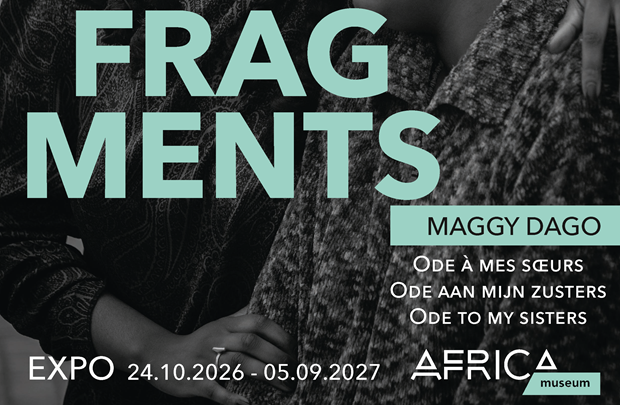
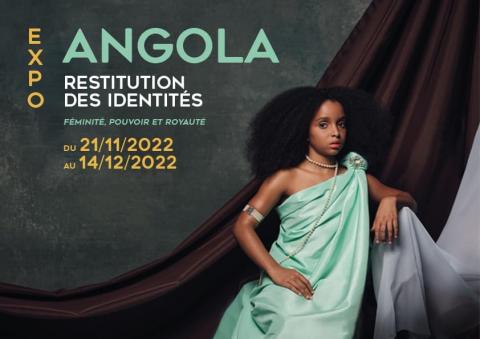
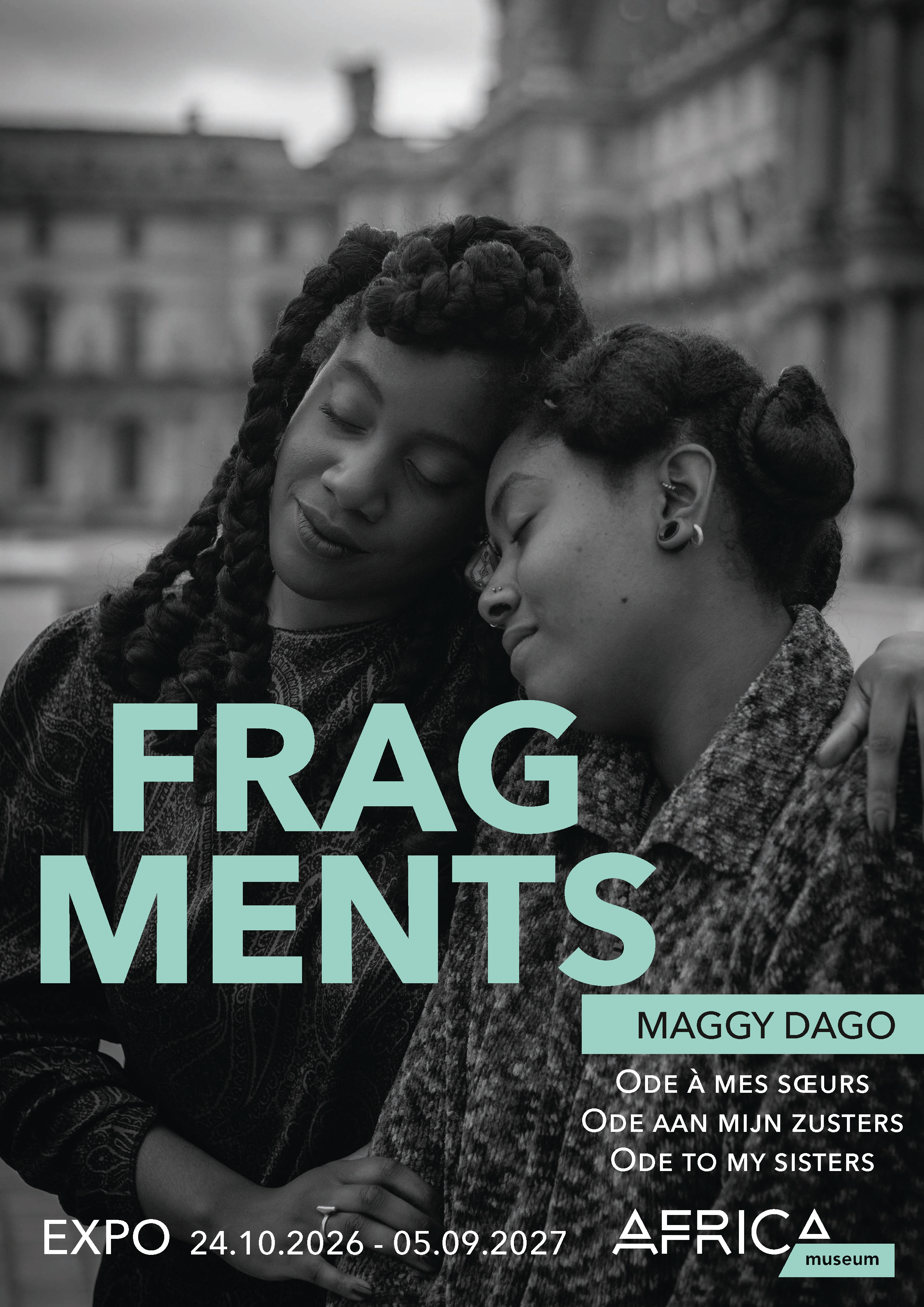 Through ten portraits accompanied by poignant testimonies, Maggy Dago offers these women a space to tell their stories, define themselves and reclaim their image. Their voices reveal life stories marked by strength and vulnerability, wounds and resilience, struggles and hope. Each photograph becomes a fragment of history, each word an affirmation of existence.